Veteran and First Responder Services

A trauma-informed, nervous-system–aware approach for those who have carried more than their share.
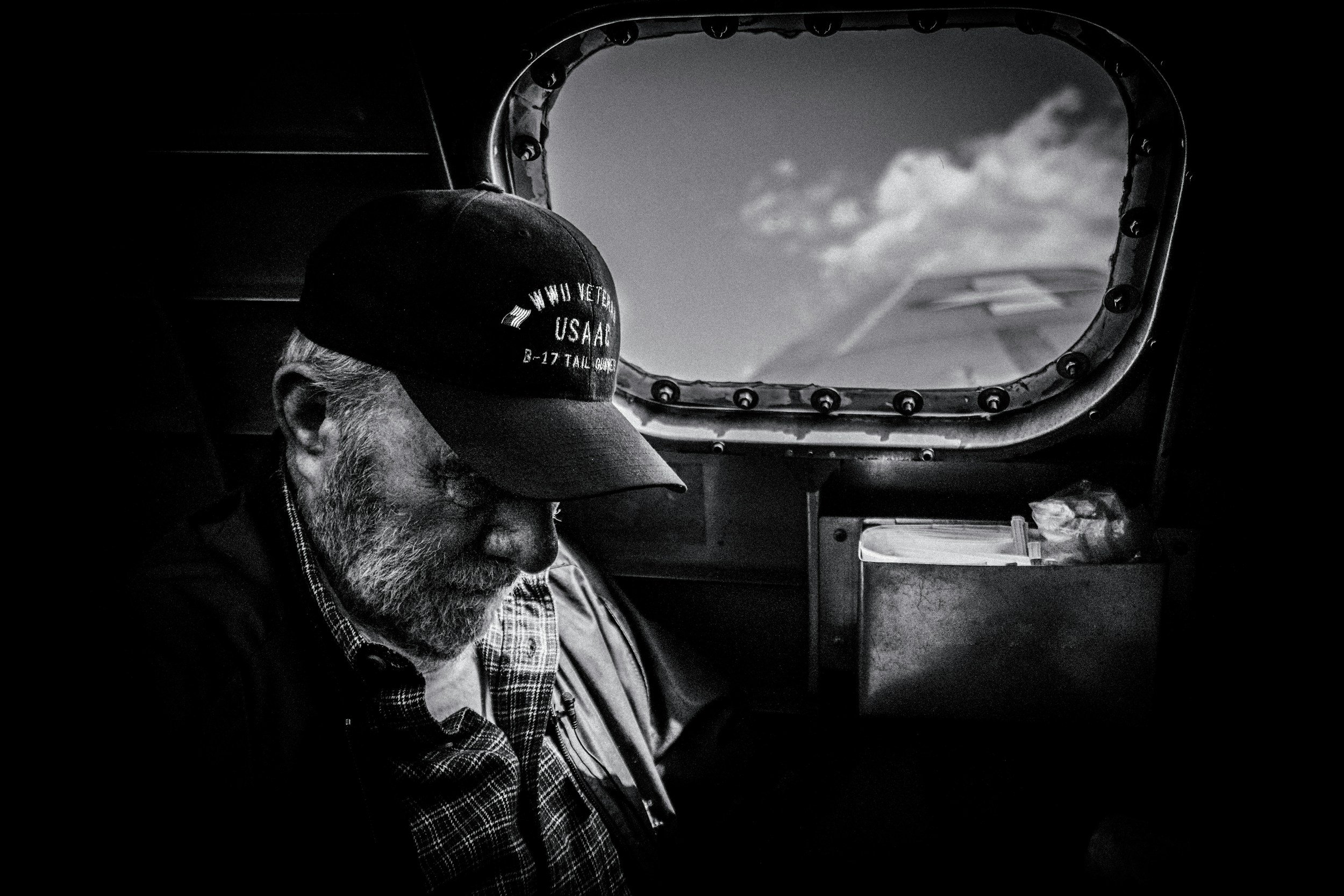
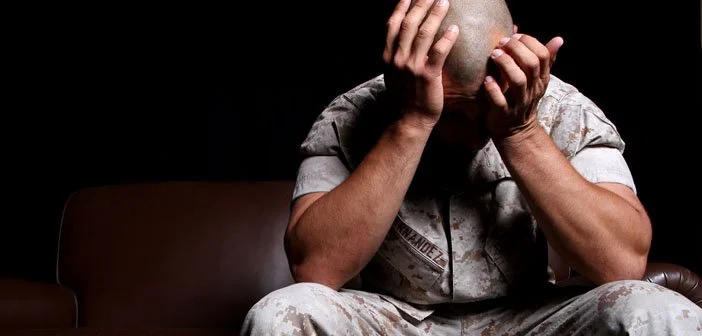
Many veterans and first responders carry wounds the world can’t see — moral injuries, combat trauma, chronic hypervigilance, loss of identity, and the deep loneliness that comes from feeling misunderstood after returning home.
At ANCHOR, we provide trauma-informed, culturally sensitive, veteran-centered support that honors the complexity of military and first responder service and the deep human cost of carrying pain silently.
Our approach is grounded in safety, dignity, and connection — with services that are tailored to the unique needs of veterans and first responders.
“When we are no longer able to change a situation, we are challenged to change ourselves.”
4. Identity Work: Rebuilding Purpose After Service
Many veterans feel lost after leaving the structure and identity of the military.
We help with:
rebuilding identity
finding meaning and direction
reintegrating into civilian life
managing “freefall” periods
navigating career choices
goal-setting rooted in self-worth
adjusting to neurodivergence (ADHD/Autism traits are common but often missed)
breaking cycles of self-blame
ANCHOR helps veterans feel grounded, capable, and connected to themselves again.
5. Veteran-Specific Crisis Support
NOT emergency response — but trauma-informed stabilization for:
emotional overwhelm
dissociation
severe depressive dips
identity collapse episodes
panic and hypervigilance
moral injury spikes
loneliness and isolation
relational ruptures
We help veterans build a crisis plan rooted in:
internal safety
nervous system tools
trauma processing
connection and support
long-term stabilization
6. Future Program: PTSD Service Dogs (Mighty Paws & Boundless Minds)
Coming as your nonprofit grows.
ANCHOR will connect veterans with rescued Rottweilers and trauma-trained service dogs through:
screening
training partners
matching veterans with dogs
aftercare support
This will be one of your signature offerings and a life-changing program for many.
7. Future Veteran Trauma Groups (2026–2027)
Trauma identity rebuilding
Emotion regulation skills for men
Family connection support groups
“Men Who Feel Deeply” trauma & attachment group
C-PTSD recovery groups
These groups reduce isolation — one of the biggest predictors of worsening symptoms.
1. Trauma Therapy for Veterans (C-PTSD, PTSD, Moral Injury)
We specialize in treating:
Combat trauma
Complex PTSD
Military sexual trauma
Childhood trauma resurfacing after service
Traumatic grief and loss
Survivor’s guilt
Identity collapse after discharge
Moral injury: “I did something I cannot live with” or “Something happened that broke me to my core.”
Hypervigilance, irritability, and emotional numbing
Chronic anxiety and “overwhelm shutdown”
Emotional avoidance
Relationship breakdowns, attachment wounds, intimacy challenges
Our therapeutic approach integrates:
Polyvagal theory (nervous system regulation)
Trauma-informed stabilization
Parts work / inner child processing (when appropriate)
Identity reconstruction
Somatic awareness (gentle, safe pacing)
Neurodivergent-affirming support (many veterans are undiagnosed ND)
DBT-informed emotion regulation
Attachment-based repair
We never push.
We never retraumatize.
We meet veterans where they are.
2. Support for Veterans Experiencing Depression, Anxiety, and Emotional Shutdown
Many veterans describe feeling:
numb
hopeless
directionless
like a burden
disconnected from family
stuck between wanting to feel and fearing feeling
Our care focuses on:
reducing shame
rebuilding identity
creating a sense of internal safety
helping veterans reconnect with the parts of themselves that survived
Our work recognizes that depression in veterans is often trauma-rooted, not a “chemical imbalance” or weakness.
3. Support for Relationships, Families, and Co-Parenting
Military service affects the entire family system.
ANCHOR provides:
✔ Couples support (trauma-informed)
Especially around issues like:
emotional avoidance
anger and shutdown cycles
intimacy challenges
communication breakdown
feeling parented or controlled
fear of vulnerability
rebuilding trust and connection
✔ Family guidance
To help partners and children understand trauma responses without personalizing them.
✔ Co-parenting support
Especially during separation/divorce transitions.